
Understanding the Basics of Bluffing
Bluffing is a fundamental strategy in poker that can separate the winners from the amateurs in the high-stakes world of casinos. At its core, bluffing involves deceit—convincing your opponents that you hold stronger cards than you actually do. Successful bluffing requires an in-depth understanding of poker dynamics, including position, betting patterns, and the psychological aspects of your opponents. Many players also enjoy visiting an online casino to practice their skills and test their strategies. Recognizing when your hand is weak but your opponents’ hands may be weaker can lead to profitable outcomes.
Consider the situation when you’re playing a hand with marginal cards. If you notice that your opponents are passive—perhaps they have yet to make aggressive moves—it might indicate they are uncertain or have weak hands themselves. This is your opportunity. By making a strategic bet or raise, you can instill doubt in their minds, potentially compelling them to fold. Thus, your ability to read the table and assess the game’s flow is crucial to mastering the art of bluffing.
However, successful bluffing isn’t merely about knowing when to act; it’s also about creating a believable story through your betting patterns. If you consistently bet conservatively and suddenly make a large bet, it might signal a bluff. Players who are observant will pick up on these inconsistencies. Therefore, a successful bluff also requires maintaining coherent and consistent behavior throughout your play. The more believable you appear, the greater your chances of pulling off a successful bluff.
The Psychology of the Game
The psychology behind poker is intricate and often misunderstood, especially when it comes to bluffing. Players need to consider not just their own mindset but also that of their opponents. Understanding how to gauge opponents’ emotions and reactions is key to becoming a proficient bluffer. If you can decipher whether an opponent is frustrated, confident, or unsure, you can tailor your bluffing strategy to exploit these emotional states. For instance, a player who is on tilt may be more likely to call bets out of sheer frustration, negating your bluff’s efficacy.
Moreover, each player brings a unique psychological profile to the table, shaped by their experiences and individual temperament. Some players might be more predictive and conservative, while others may be aggressive risk-takers. Understanding these differences can help you tailor your bluffing approach. For example, against a tight, conservative player, an aggressive bluff can be particularly effective, as they might be more inclined to fold in the face of pressure.
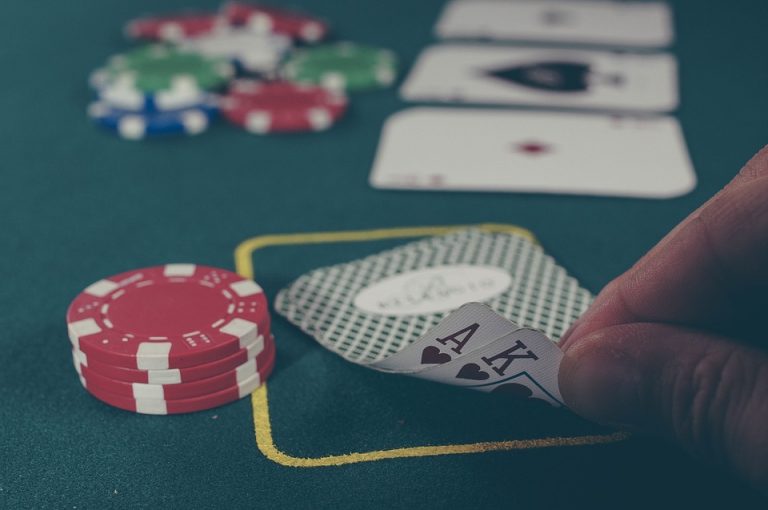
Additionally, the concept of ‘table image’ must not be overlooked when diving into the psychology of poker. Your perceived reputation at the table—whether you are seen as a loose player who bluffs frequently or a tight player who only bets with strong hands—will significantly influence how your actions are interpreted. By manipulating your own table image, you can create opportunities for bluffing that would otherwise be missed. Thus, effective bluffing is as much about psychological play as it is about card play.
Situational Bluffing Strategies
Bluffing is not a one-size-fits-all strategy; situational awareness is critical to its effectiveness. Certain scenarios in poker present more favorable conditions for bluffing than others. For example, in a no-limit game with aggressive players, a well-timed bluff can become an essential part of your toolkit. Conversely, in situations where the pot is small and players are cautious, bluffing can backfire, resulting in lost credibility and chips. Understanding when to bluff and when to play it safe is vital.
A common scenario where bluffing can be advantageous is on the ‘river’ – the final card dealt in a poker game. At this stage, players often have a clearer understanding of the strength of their hands. If you sense weakness in your opponents’ responses to the river card, it may be the perfect opportunity to make a bold bet. This technique relies heavily on your ability to read the board and your opponents’ faces, reinforcing the importance of situational awareness.
Another effective scenario for bluffing is during early betting rounds when many players still hold active hands. Early in the hand, players are more likely to call bets with weak hands. In contrast, as the betting rounds progress, players may either consolidate their positions or fold altogether. Bluffing effectively during these pivotal moments can force your opponents to rethink their strategies, resulting in folds that allow you to claim the pot without needing the best hand.
Common Pitfalls of Bluffing
While bluffing can be a powerful tool in poker, several common pitfalls can undermine even the best strategies. One of the most significant mistakes players make is bluffing too often. Frequent bluffing can lead to a lack of credibility, making players more likely to call your bets. It is essential to strike a balance between bluffing and playing strong hands. When opponents catch on to your patterns, they will become more inclined to call you out, negating the advantages of your previous bluffs.

Another critical mistake is failing to consider the specific player type you are facing. Bluffing against an inexperienced player might yield different results compared to a seasoned professional. Experienced players often have a heightened awareness of potential bluffs and can see through your strategies with greater ease. Thus, it’s vital to tailor your bluffing approach based on who you are playing against, as the same tactic won’t work universally.
Moreover, bluffing without a clear exit strategy can lead to considerable losses. If your bluff is called and the hand turns against you, having a plan for how to proceed can save you chips. This might mean recognizing when to cut your losses early or adjusting your gameplay to recoup losses efficiently. The art of bluffing requires not just courage and creativity, but also strategic foresight.
Exploring Online Resources and Communities
As you embark on your journey to master the art of bluffing in poker, numerous online resources and communities can be highly beneficial. Websites dedicated to poker strategy, forums where players share insights, and instructional videos can provide valuable tips and tricks. Engaging with these resources allows you to gain diverse perspectives on bluffing techniques, while also learning about the latest trends in the poker community.
Additionally, many online platforms offer tutorials specifically aimed at improving bluffing skills. These courses often provide simulated environments where you can practice your bluffing without risking real money. Here, you can experiment with different styles and techniques, allowing you to develop a personal flair. The hands-on practice will equip you with the confidence needed to implement your strategies at a physical poker table.
Ultimately, becoming an expert bluffer in poker necessitates continual learning and adaptation. Communities dedicated to poker not only help you share experiences but also keep you informed about evolving strategies. By participating in discussions and sharing your triumphs and failures, you can refine your skills and approach, ensuring you remain competitive in the ever-changing landscape of poker.